
A Comprehensive Guide to the Best Cultural Attractions in Japan for Tourists and Culture Enthusiasts
A Comprehensive Guide to the Best Cultural Attractions in Japan for Tourists and Culture Enthusiasts
Introduction to Cultural Attractions in Japan
Japan is a country celebrated for its deep-rooted traditions, unique cultural experiences, and a mesmerizing blend of ancient and modern influences. Whether you’re a first-time visitor or a seasoned traveler, exploring the various cultural attractions in Japan is an experience that promises to captivate and inspire. From majestic temples and incredible shrines to timeless festivals and vibrant historical districts, the country’s cultural landscape is both diverse and breathtakingly beautiful. If you’re looking for the ultimate list of cultural attractions in Japan, this comprehensive guide will open up a world of discovery and appreciation for Japan’s mesmerizing heritage.
Historical and Architectural Marvels Among Cultural Attractions in Japan
Japan’s cultural attractions are incomplete without mentioning its historical and architectural wonders. Steeped in centuries-old traditions, these sites provide invaluable insight into the nation’s history, spirituality, and societal evolution.
1. Kyoto’s Temples and Shrines
No discussion about cultural attractions in Japan would be complete without spotlighting Kyoto. As the ancient capital, Kyoto houses thousands of remarkable temples and shrines that serve both religious purposes and as cultural landmarks.
- Kinkakuji (Golden Pavilion): A stunning Zen Buddhist temple, known for its gold-leaf-covered exterior set against a serene pond.
- Fushimi Inari Taisha: Renowned for its endless paths of red torii gates, offering a symbolic welcome to good fortune and sacred spirits.
- Kiyomizudera: Famous for its hillside wooden stage, with spectacular views of cherry blossoms and the surrounding city.
2. Hiroshima Peace Memorial
The Hiroshima Peace Memorial, also known as the Atomic Bomb Dome, stands as a poignant tribute to the victims of the atomic bombing in 1945 and a symbol for peace. As an essential cultural attraction in Japan, visitors can explore the adjoining Peace Memorial Park and Museum to gain a deeper understanding of Japan’s dedication to peace and reconciliation.
3. Himeji Castle
One of the finest surviving examples of traditional Japanese castle architecture, Himeji Castle, nicknamed the “White Heron Castle,” is a UNESCO World Heritage Site. This breathtaking fortress is a must-visit cultural attraction in Japan and offers a glimpse into samurai history and feudal-era defensive ingenuity.
4. Nara’s Cultural Sites
Nara, Japan’s first permanent capital, is packed with historically significant sites. Attractions here include the UNESCO-listed Todai-ji Temple, home to a massive bronze Buddha statue, and Kasuga Taisha, famous for its stone and bronze lanterns. The city’s ancient park, inhabited by freely-roaming deer, also adds to its distinctive charm among cultural attractions in Japan.
5. Nikko Shrine Complex
Located in Tochigi Prefecture, Nikko’s shrine complex is celebrated for its lavish architecture and scenic mountainous surroundings. Toshogu Shrine, with its intricate carvings, gold leaf embellishments, and colorful structures, is dedicated to Tokugawa Ieyasu, founder of the Tokugawa shogunate. The area is included in the list of UNESCO World Heritage Sites and is one of the most revered cultural attractions in Japan.
Traditional Experiences and Performing Arts as Cultural Attractions in Japan
Japan’s cultural wealth extends beyond static sites—visitors can partake in numerous immersive experiences and witness performing arts that have been perfected over generations.
1. Tea Ceremony (Sado)
Participating in a traditional Japanese tea ceremony is a rite of passage for any culture enthusiast. The city of Kyoto and Kanazawa offer authentic tea house experiences where guests can witness the poetic ritual of preparing, serving, and savoring matcha tea. This cherished cultural attraction in Japan embodies the principles of harmony, respect, purity, and tranquility.
2. Kabuki and Noh Theatre
Japan’s dramatic arts, including the stylized and visually striking performances of Kabuki and the classical Noh Theatre, are must-see cultural attractions in Japan. The iconic Kabuki-za Theatre in Tokyo and Minami-za Theatre in Kyoto host regular shows that provide a window into the country’s fascinating theatrical traditions.
3. Geisha and Maiko Culture
No mention of cultural attractions in Japan can ignore the enigmatic world of the Geisha and their apprentices, Maiko. Gion in Kyoto is the premier district for spotting these icons of grace and refinement. Special experiences may include attending private performances or tea parties, where guests enjoy dance, music, and the art of conversation.
4. Onsen (Hot Spring Bathing)
While onsen bathing is a wellness tradition, its deep historical roots and social customs mark it as an essential cultural attraction in Japan. Notable onsen towns such as Hakone, Beppu, and Kusatsu allow visitors to unwind while immersing themselves in age-old rituals and scenic landscapes.
Cultural Festivals and Seasonal Events in Japan
Japan’s calendar is dotted with vibrant festivals (matsuri) that celebrate everything from historical events to the changing seasons. Attending these festivals is among the top cultural attractions in Japan, offering visitors a chance to engage with local traditions, colorful parades, and joyful communal celebrations.
1. Cherry Blossom Festivals (Hanami)
Spring in Japan is synonymous with cherry blossom viewing, known as Hanami. Parks and riverbanks in cities like Tokyo, Kyoto, and Osaka transform into celebrations of fleeting beauty and renewal, making them central cultural attractions in Japan during the sakura season.
2. Gion Matsuri
Held each July in Kyoto, Gion Matsuri is one of Japan’s most famous festivals. Featuring grand processions of traditional floats, street stalls, and nightly celebrations, this event is a significant highlight among cultural attractions in Japan.
3. Awa Odori
Tokushima’s Awa Odori, a lively Bon dance festival held in August, unites locals and visitors alike in energetic group dances accompanied by festive music. This event is a cornerstone of Japanese performing arts and festival culture.
4. Snow Festivals
Japan’s winter brings magical festivals like Sapporo’s Snow Festival, which is celebrated with massive snow and ice sculptures, family-friendly activities, and dazzling illuminations. As a seasonal highlight, it is one of the essential cultural attractions in Japan.
Cultural Districts and Neighborhoods Worth Exploring
Exploring Japan’s preserved historical districts is akin to time travel. Each neighborhood offers a unique glimpse into the nation’s past, architecture, and community life, making them unmatched cultural attractions in Japan.
1. Gion District, Kyoto
Gion is famous for its charming stone-paved streets, wooden machiya houses, and the chance encounters with kimono-clad Geisha and Maiko. The area is also home to traditional tea houses and exclusive performance venues.
2. Higashiyama, Kyoto
Higashiyama is among the best-preserved historic areas in Kyoto. With its picturesque lanes, artisan shops, temples, and old-world atmosphere, it’s at the heart of cultural attractions in Japan.
3. Asakusa, Tokyo
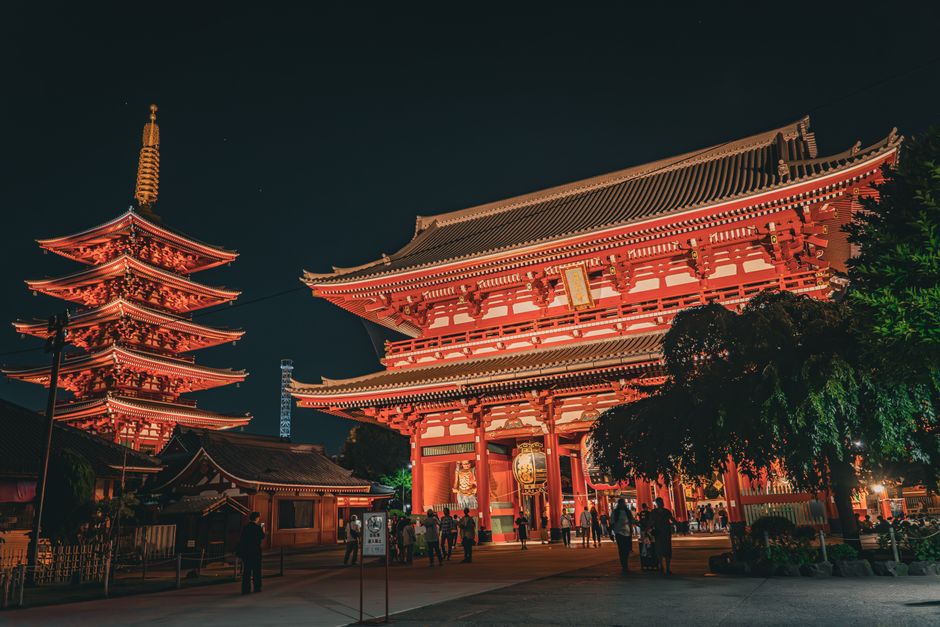
Asakusa is home to the iconic Sensoji Temple and a network of bustling streets lined with local eateries and trinket shops. The area combines the sacred and the everyday, giving visitors a taste of Edo-period tradition in modern Tokyo.
4. Takayama’s Old Town
Takayama offers exceptionally well-preserved merchant streets and traditional sake breweries. The city’s morning markets, set against mountain scenery, provide insights into regional culinary and craft traditions.
5. Kanazawa’s Chaya Districts
Kanazawa boasts geisha entertainment quarters like Higashi Chaya District, where visitors can step back in time among tea houses and atmospheric lanes. The city also features samurai neighborhoods and kenrokuen, one of Japan’s most beautiful gardens.
Museums and Art Galleries as Cultural Attractions in Japan
Japan’s museums and galleries reflect its artistic flair, innovative spirit, and reverence for history. These spaces are crucial cultural attractions in Japan for art lovers, historians, and the creatively curious.
1. Tokyo National Museum
Located in Ueno Park, Tokyo National Museum is the largest and oldest museum in Japan. Home to a vast collection of art and antiquities, its exhibits span samurai armor, Buddhist sculptures, pottery, and elegant kimonos.
2. Kyoto National Museum
This museum focuses on preserving and displaying artwork and archaeological artifacts unique to the Kansai region, making it a key cultural attraction in Japan for understanding local heritage and artistry.
3. The National Museum of Modern Art, Kyoto (MOMAK)
For modern art enthusiasts, MOMAK offers a provocative collection of Japanese and international works. Regular exhibitions showcase influential artists in painting, sculpture, and photography.
4. Edo-Tokyo Museum
The Edo-Tokyo Museum chronicles the story of the capital’s evolution from its Edo-period origins to today’s bustling metropolis. The interactive displays and scale models make it a fascinating destination and a standout among cultural attractions in Japan.
Folk Villages and Living Museums: Preserving Cultural Heritage
Living history villages showcase life as it once was, enabling visitors to experience the authentic lifestyles, crafts, and architecture of Japan’s past. These are essential cultural attractions in Japan for travelers seeking immersive encounters with tradition.
1. Shirakawa-go and Gokayama
These village clusters, recognized as UNESCO World Heritage Sites, are famed for their gassho-zukuri farmhouses, characterized by steeply sloped thatched roofs. Guests can tour open-air museums and even stay overnight in traditional houses.
2. Hida Folk Village (Hida-no-Sato)
Near Takayama, this open-air museum features over 30 relocated farmhouses from across the Hida region. Demonstrations in crafts such as weaving and woodworking make it one of the most educational cultural attractions in Japan.
3. Samurai and Merchant Houses in Kanazawa and Matsue
Historic residences, including the Nagamachi Samurai District in Kanazawa and Bukeyashiki in Matsue, allow visitors to wander through elegant gardens and interiors, observing the lifestyles of past service and merchant classes.
Culinary Traditions as Cultural Attractions in Japan
Japanese cuisine is inseparable from its culture, ethics, and celebration of nature’s bounty. Experiencing the country’s rich gastronomy is a sensory journey through the heart of cultural attractions in Japan.
1. Kaiseki Ryori (Traditional Multicourse Meal)
Kaiseki ryori, particularly popular in Kyoto, involves a sequence of exquisite seasonal dishes presented as works of art. Dining in a historic ryotei (traditional restaurant) or by the riverside in Arashiyama offers an unforgettable cultural experience.
2. Sushi and Tsukiji/Toyosu Fish Markets
Visiting sushi bars in Tokyo and exploring the bustling Toyosu or Tsukiji markets provides a peek into culinary precision and seafood traditions, a must for serious food lovers and those seeking culinary-based cultural attractions in Japan.
3. Ramen Streets and Izakaya Alleys
Sample regional ramen varieties or visit izakaya alleys, such as Omoide Yokocho in Shinjuku, to experience Japan’s casual dining culture and the vibrant social scene that frames daily life.
Conclusion: Why Cultural Attractions in Japan Should Be on Every Travel Itinerary
Japan’s cultural attractions are unparalleled in their variety, depth, and ability to connect visitors with the soul of the country. Exploring these destinations and experiences, whether historical, artistic, or culinary, offers an enriching journey through the nation’s living heritage. From Kyoto’s timeless temples to Tokyo’s dynamic theatrical scene, and from village life in Shirakawa-go to the sensory delights of Japanese cuisine, there is truly something for every traveler interested in cultural attractions in Japan. Plan your trip to immerse yourself in centuries of tradition, creativity, and warm hospitality that define the Japanese spirit.