
Effective Tips on How to Make a Mango Tree Grow Big and Healthy in 2026
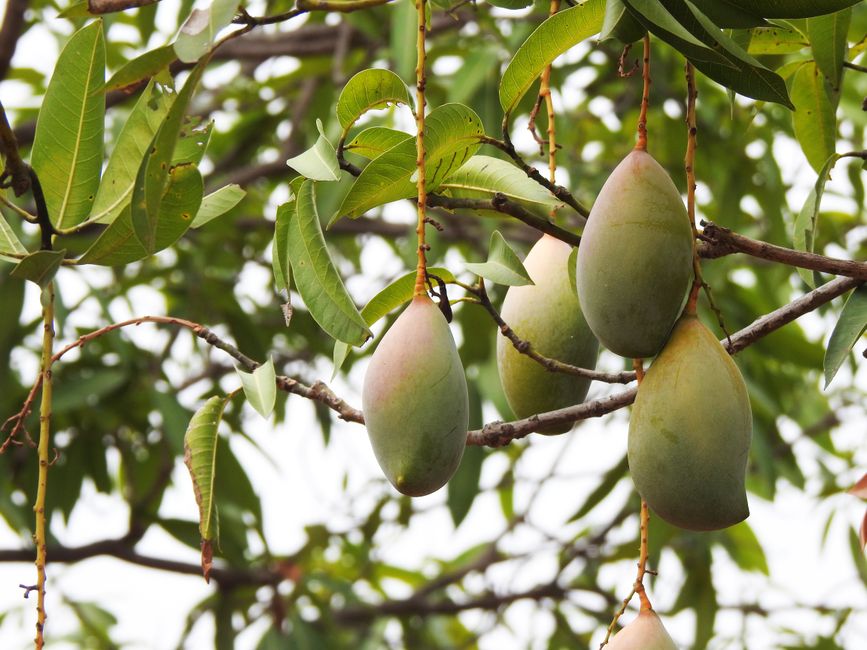
Growing a mango tree that is big, healthy, and productive requires a combination of proper care, suitable environmental conditions, and updated horticultural techniques. As we step into 2026, new research and modern agricultural practices can support mango enthusiasts and commercial growers alike in achieving optimal tree growth. This comprehensive guide will cover everything you need to know on how to make a mango tree grow big, ranging from selecting the right variety to ongoing care and troubleshooting.
Choosing the Right Mango Variety
Before planting, it’s crucial to pick a mango variety suited to your local climate and soil conditions. Some varieties naturally grow larger and have extensive canopies, while others are more compact. Popular large-growing varieties include ‘Alphonso’, ‘Tommy Atkins’, and ‘Kent’. In 2026, consider consulting local agricultural extensions or updated online databases for the latest varieties bred for bigger size and resilience to pests.
Consider Rootstock and Grafting
Using grafted mango trees rather than growing from seed leads to faster growth and larger trees. Rootstocks contribute to the vigor and size of the tree, so selecting a strong healthy rootstock is essential. Modern grafting techniques have improved with better compatibility and disease resistance, making this a recommended method in 2026.
Optimal Planting Site and Soil Preparation
Select a planting site with plenty of sunlight – mango trees require at least 6 hours of direct sunlight daily to grow large. The soil should be well-draining, as waterlogged soil can stunt growth and cause root diseases. Slightly acidic to neutral soil (pH 5.5 to 7.5) is ideal.
Before planting, prepare the soil by loosening it and mixing in organic compost or manure to improve fertility and texture. Check the soil moisture retention capacity, and if the area tends to retain excessive water, use raised beds or mounds to enhance drainage.
Planting Techniques for Large Mango Trees
Plant your mango sapling at the same depth it was growing in its nursery container. Avoid planting too deep, which can cause root suffocation, or too shallow, which can expose roots to drying.
For maximum growth potential, allow around 10 to 15 feet between mango trees to provide enough space for canopy expansion. Crowding trees restricts growth and air circulation, increasing disease risk.
Watering: Balance is Key
Consistent and adequate watering is essential in encouraging large tree size, but keep in mind that mango trees are moderately drought-tolerant. Overwatering can lead to root rot, while underwatering slows growth.
As a rule of thumb in 2026 farming practices, water newly planted trees once or twice a week, increasing volume during dry spells, especially in the first 2-3 years when root systems are establishing. Implement drip irrigation systems for efficient water use.
Fertilizing for Vigorous Growth
Fertilizer plays a big role in how large and healthy your mango tree will grow. Using a balanced fertilizer with nitrogen (N), phosphorus (P), and potassium (K) supports strong foliage and root development. In 2026, organic and slow-release fertilizers are preferred to reduce environmental impact and supply steady nutrients.
A typical feeding schedule looks like this:
- Young Trees: Apply a balanced NPK fertilizer 3-4 times a year, adjusting amounts by tree age and size.
- Mature Trees: Increase potassium levels to support flowering and fruit development, and apply micronutrients like zinc and magnesium if deficient.
Pruning and Training for Size and Shape
Regular pruning removes dead or diseased branches, promotes airflow, and shapes the tree for maximum sunlight exposure. In 2026, precision pruning techniques using sharp tools and understanding tree physiology help growers maximize size without overcrowding.
Early formative pruning encourages a strong structure that will support the tree as it grows tall and wide. Limit pruning during flowering to avoid impacting fruit production.
Pest and Disease Management
Healthy large trees depend on controlling pests and diseases. Monitor for common mango pests such as mango hoppers, mealybugs, and scale insects, which can weaken the tree and stunt growth.
Use integrated pest management (IPM) strategies combining biological controls, organic pesticides, and good cultural practices to keep your tree thriving in 2026’s eco-friendly agricultural environment.
Mulching and Weed Control
Applying mulch around the base conserves soil moisture, suppresses weeds, and supplies organic matter as it decomposes. Avoid placing mulch directly against the trunk to prevent fungal infections.
Regular manual weeding minimizes nutrient competition. Automated or solar-powered weed trimmers are gaining popularity for maintaining large mango orchards efficiently this year.
Climate Considerations and Adaptations in 2026
With shifting weather patterns, mango growers should adapt to varying rainfall and temperature extremes. Consider planting drought-tolerant rootstocks, using shade nets during harsh sun periods, or windbreaks to protect young trees.
Monitoring weather data through smart farming apps helps predict irrigation needs and pest outbreaks for better tree management.
Summary: Steps to Grow a Big Mango Tree in 2026
- Select a large-growing variety and grafted sapling from reputable nurseries.
- Prepare a sunny, well-drained site with nutrient-rich soil amended by organic matter.
- Plant with adequate spacing, water consistently but avoid overwatering.
- Fertilize regularly using balanced, preferably organic fertilizers incorporating micronutrients.
- Prune strategically to promote shape and airflow.
- Manage pests and diseases using IPM strategies.
- Mulch and control weeds carefully.
- Adapt to climate changes using modern tools and practices.
By following these updated tips on how to make a mango tree grow big in 2026, you’ll enjoy a vigorous, fruitful tree that thrives year after year. Remember that patience and consistency in care are key to the remarkable growth of your mango tree.