
How to Make a Mango Tree Grow Big and Strong: Essential Tips for 2026
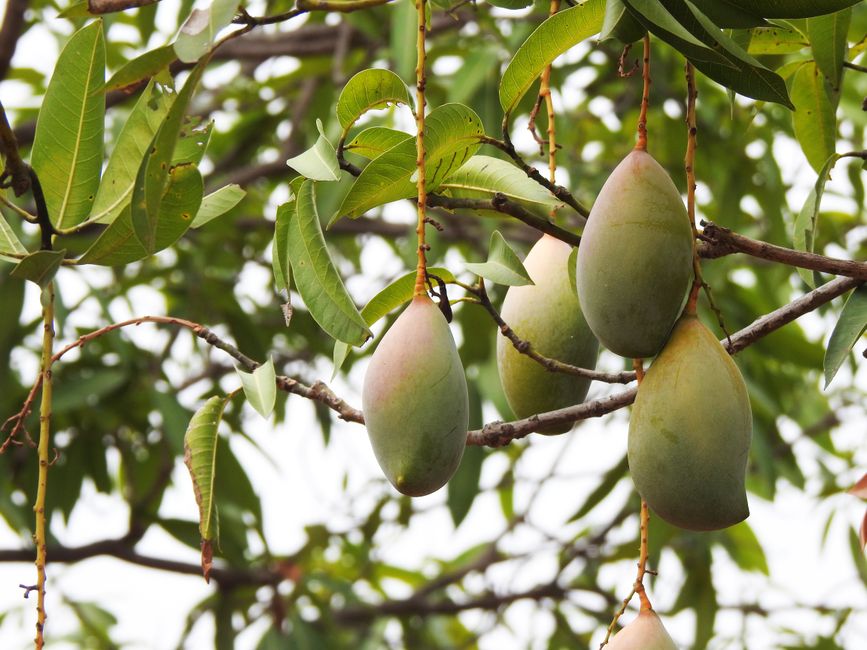
Growing a mango tree that becomes big and strong is a rewarding journey for any gardener or farmer. Whether you’re planting a mango tree in your backyard or on a larger scale, understanding the best practices for growth will help you achieve optimal results. In 2026, new advancements, along with tried-and-true horticultural methods, can ensure your mango tree not only grows large but also produces healthy fruits for years to come.
Choosing the Right Mango Tree Variety
The first step to growing a large mango tree starts even before planting—choosing the right variety. There are many mango cultivars suited for different climates and soil types. For a big mango tree, you want varieties known for robust growth and high yield. Some popular large-growing mango varieties include ‘Tommy Atkins’, ‘Kent’, ‘Keitt’, and ‘Alphonso’.
In 2026, local nurseries and agricultural stations may carry improved varieties with better resistance to diseases and pests, so checking the latest offerings is beneficial before purchasing your sapling.
Optimal Location and Soil Preparation
Mango trees require full sun exposure to grow big and strong. Select a planting location that gets at least 6-8 hours of direct sunlight daily. Mango trees thrive in well-drained sandy loam soil but are adaptable to various types as long as drainage is adequate.
Before planting, enrich the soil with organic matter like compost or well-rotted manure. A soil pH between 5.5 and 7.5 is ideal for mango trees. Conduct a soil test to determine nutrient levels and deficiencies. This helps in customizing your fertilization approach for better growth.
Proper Planting Technique
Planting the mango sapling properly sets the foundation for big growth. Dig a hole twice as wide and as deep as the root ball. Gently loosen the roots before planting to encourage outward growth. Position the tree so the graft union (if grafted) is above soil level to avoid rot.
Spacing for Growth
Mango trees can grow very large, so space your trees at least 30 feet apart to allow them ample room to spread. Proper spacing reduces competition for nutrients and sunlight, promoting bigger, healthier trees.
Watering Guidelines for Large Growth
Watering is crucial but often misunderstood. Young mango trees need regular watering to establish roots—usually twice a week during dry spells. However, overwatering can lead to root rot and stunt growth. Mature mango trees are drought tolerant and prefer deep watering every 10-15 days rather than frequent shallow watering.
In 2026, technologies like smart irrigation systems and moisture sensors are increasingly accessible. Utilizing these tools helps optimize water use, ensuring your mango tree receives adequate moisture for big growth without waste.
Fertilization Strategy to Promote Big Mango Trees
Fertilization fuels your mango tree’s robust growth. Use a balanced fertilizer high in nitrogen (N), phosphorus (P), and potassium (K) appropriate for mango trees. For young trees, a high nitrogen fertilizer encourages leafy growth.
In 2026, organic and eco-friendly fertilizers enriched with micronutrients and bio-stimulants are trending for sustainable farming. Applying these can improve soil health and root development, helping your mango tree become larger and healthier.
Fertilizer Application Schedule
- Year 1-3: Apply fertilizer 3-4 times a year—early spring, summer, and fall.
- Year 4 and beyond: Reduce to twice a year, focusing on pre-flowering and post-harvest periods.
Pruning Tips for Encouraging Size and Shape
Pruning helps shape your mango tree, remove dead or diseased branches, and stimulate healthy new growth. Prune young trees to develop a strong central leader and well-spaced lateral branches. After the initial years, prune lightly to maintain size, remove crossing branches and improve air circulation.
Over-pruning can reduce fruit production so balance trimming with the need for a big tree canopy.
Managing Pests and Diseases in 2026
Healthy growth depends on effective pest and disease management. Common pests like mango hoppers, scales, and mealybugs can weaken trees. Diseases such as anthracnose and powdery mildew reduce yield and growth.
Integrated Pest Management (IPM) remains the most effective approach in 2026. Use biological controls, such as beneficial insects, combined with organic pesticides when necessary. Regularly inspect your tree for early signs of infestation or disease and act promptly.
Additional Tips for Growing Big Mango Trees
- Mulch Regularly: Apply a thick layer of organic mulch around the base to conserve moisture, regulate temperature, and suppress weeds.
- Protect from Strong Winds: Windbreaks or fencing can shield young trees, preventing damage and moisture loss.
- Support Pollination: Encourage pollinators like bees by planting flowering companion plants nearby.
- Regular Monitoring: Keep track of growth progress, nutrient status, and environmental conditions to adjust care as needed.
Common Mistakes to Avoid
Avoid these typical pitfalls to help your mango tree grow big:
- Planting in poor drainage areas leading to root rot.
- Neglecting soil preparation and fertilization.
- Overwatering or underwatering the tree.
- Ignoring pest and disease signs until severe damage occurs.
- Spacing trees too close, restricting growth potential.
Conclusion
Growing a big mango tree requires attention to selecting the right variety, providing ideal growing conditions, proper watering, fertilization, pruning, and pest management. In 2026, leveraging new technologies and eco-friendly practices enhances the success and sustainability of your mango tree cultivation. By following these essential tips, your mango tree will flourish and reward you with abundant shade and delicious fruits for many years.