
Effective Tips and Techniques on How to Make a Mango Tree Grow Big and Healthy in 2026
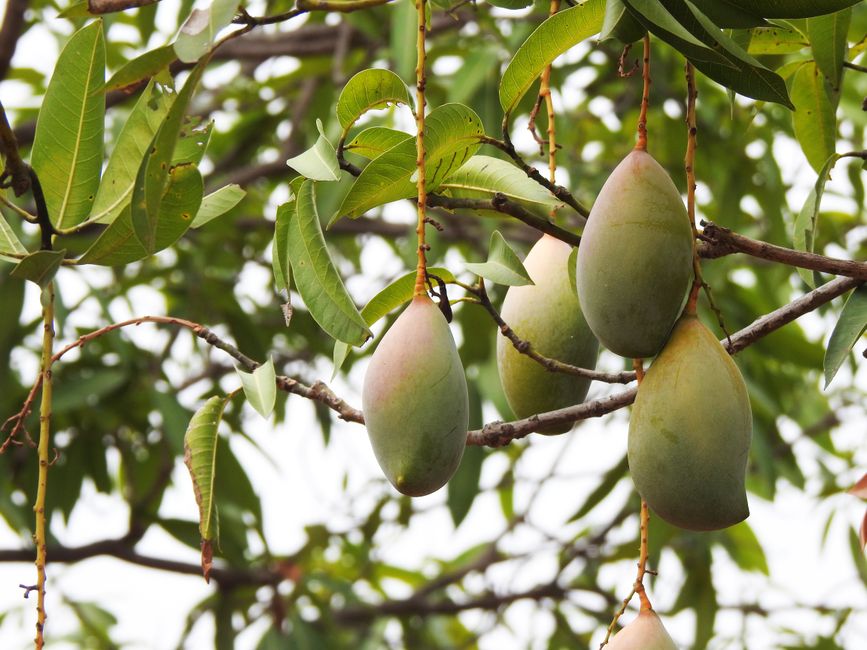
Growing a mango tree that becomes big and healthy requires proper care, attention, and updated knowledge in horticulture. Whether you are a home gardener or a commercial grower, understanding how to make a mango tree grow big in 2026 involves combining the right planting method, soil management, watering, fertilizing, pruning, and pest control practices. This comprehensive guide will walk you through all the essential steps to ensure your mango tree reaches its full potential in growth and fruit production.
Choosing the Right Mango Variety and Planting Location
The first step to growing a large mango tree is selecting the right variety suitable for your climate and soil conditions. In 2026, farmers and gardeners continue to prefer varieties such as Alphonso, Kent, Keitt, and Haden due to their growth habits and fruit quality. Research regional recommendations because some varieties grow better in tropical climates while others perform well in subtropical areas.
Once chosen, plant your mango tree in a location with full sun exposure—ideally 6-8 hours of sunlight per day. Mango trees thrive in warm, frost-free conditions, so avoid locations prone to cold drafts or heavy shade. The soil should be well-draining and slightly acidic to neutral (pH 5.5-7.5) for optimal root growth.
Preparing the Soil Properly
Soil health is fundamental in how to make a mango tree grow big. Before planting, test your soil’s fertility, pH, and texture. In 2026, many gardeners use digital soil test kits for precise analysis. Amend your soil by adding organic compost or well-rotted manure to improve nutrient content and structure.
Good drainage is essential since mango roots are susceptible to rot in waterlogged soil. If you have heavy clay soils, consider planting the tree on a raised bed or mound to enhance drainage.
Recommended Soil Preparation Steps:
- Dig a hole twice as wide and deep as the root ball.
- Mix native soil with compost and organic matter.
- Check pH and adjust with lime or sulfur if necessary.
- Avoid synthetic fertilizers at planting to prevent root damage.
Proper Watering Techniques for Large Mango Trees
Water management plays a huge role in the size and health of your mango tree. Newly planted mango trees require frequent watering to establish roots—about 2-3 times per week depending on weather—while mature trees need less frequent but deep watering.
In 2026, many growers utilize soil moisture sensors or smart irrigation systems to maintain optimum moisture levels without overwatering. Too much water can cause root rot and stunt growth, while underwatering leads to stress and poor fruit development.
Watering Guidelines:
- For young trees: Keep soil consistently moist but not soggy.
- For mature trees: Water deeply once every 7-10 days during dry spells.
- Reduce watering during the dormant season.
Fertilizing Your Mango Tree for Maximum Growth
To make a mango tree grow big, balanced fertilization is critical. Mango trees require nitrogen, phosphorus, potassium, and trace minerals for vigorous growth. In 2026, gardeners have access to a variety of organic and synthetic fertilizers tailored specifically for fruit trees.
Use a fertilizer with an N-P-K ratio like 6-6-6 or 8-3-9 during the growing season. Additionally, supplement magnesium and zinc which are often deficient in tropical soils.
Fertilizing Schedule:
- Apply fertilizer 3 to 4 times annually—early spring, summer, and late summer.
- Use compost or organic mulches to provide slow-release nutrients.
- Avoid over-fertilization, which can damage roots and inhibit flowering.
Pruning and Training Your Mango Tree
Pruning in 2026 remains a key practice to promote strong structure and encourage bigger growth. Remove dead or diseased branches promptly. Thin out crowded branches to increase light penetration and air circulation.
The ideal shape for a mango tree is a wide, open canopy to support sunlight exposure for all leaves. For younger trees, train the main branches by selective pruning to develop a sturdy framework.
Pruning Tips:
- Prune immediately after harvest or during early spring.
- Cut back about one-third of new growth to promote fresh shoots.
- Use clean, sharp tools to prevent infection.
Protecting the Mango Tree from Pests and Diseases
Pest and disease control is vital in ensuring your mango tree’s healthy growth and maximum size. Common pests such as mango hoppers, mealybugs, and fruit flies remain challenges in 2026, but effective integrated pest management (IPM) practices help mitigate damage.
Use horticultural oils, organic insecticides, or beneficial insects like ladybugs to control pests naturally. Regularly inspect trees for symptoms of common diseases such as anthracnose and powdery mildew. Fungicide applications may be necessary at early infection stages.
Implementing Climate-Friendly and Sustainable Practices
In modern agriculture, sustainable practices are critical for long-term success. Mulching around the base of the tree not only conserves water but improves soil fertility and reduces weed competition. Using organic compost instead of chemical fertilizers promotes healthier soil life and better tree growth.
Water conservation technologies such as drip irrigation and rainwater harvesting are also recommended in 2026 to support sustainable mango tree cultivation while making your tree grow bigger and stronger.
Additional Factors Affecting Mango Tree Growth
Several other factors can influence how to make a mango tree grow big:
- Spacing: Plant mango trees with enough space (minimum 10-12 meters apart) to prevent overcrowding and competition for resources.
- Pollination: Ensure adequate pollinator presence. Bees play a key role in mango flower fertilization.
- Age: Mango trees typically begin bearing fruit after 3-6 years. Patience and consistent care lead to larger trees over time.
Summary
Making a mango tree grow big in 2026 involves a combination of updated horticultural science and practical care steps. By selecting the right variety, ensuring high-quality soil, managing water and nutrients properly, pruning strategically, and protecting the tree from pests and diseases, you can grow a large, healthy mango tree that produces abundant fruits for years to come.
Stay consistent with your care routines and adapt to your local growing conditions. With the help of modern tools like soil sensors, organic inputs, and sustainable irrigation, your mango tree can thrive and become a valuable feature of your garden or farm.