
Discover the Most Famous Seasonal Festivals in Japan: A Comprehensive Guide to Japanese Seasonal Festivities and Traditions Throughout the Year
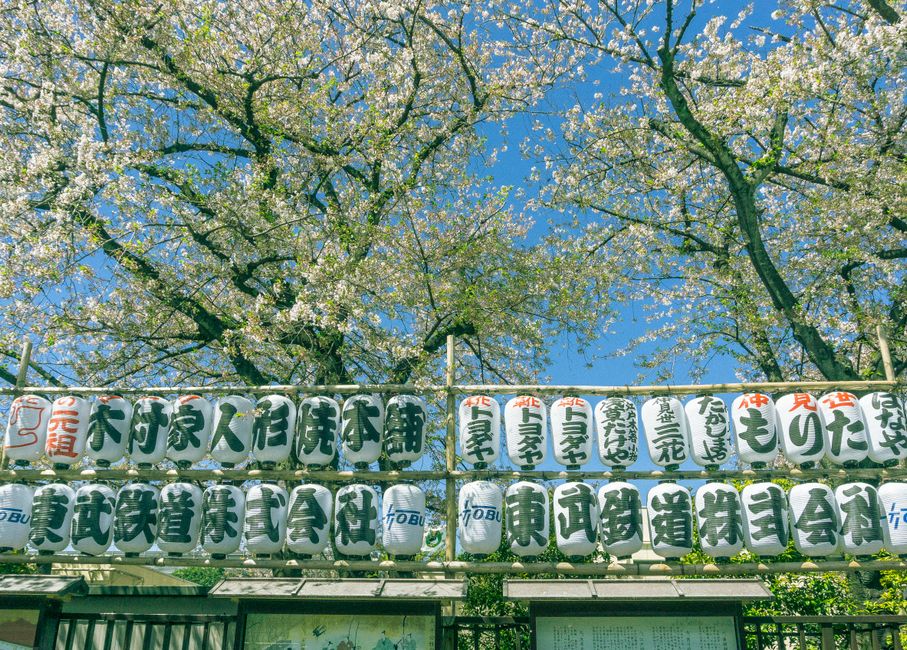
Discover the Most Famous Seasonal Festivals in Japan: A Comprehensive Guide to Japanese Seasonal Festivities and Traditions Throughout the Year
Seasonal festivals in Japan, also known as matsuri, are an integral part of Japanese culture and tradition. These festivals are celebrated throughout the year and each season brings its own array of unique and spectacular events that are deeply rooted in Japanese history, Shinto and Buddhist beliefs, and local customs. From glorious cherry blossom celebrations in spring to lively autumn harvest festivals, exploring seasonal festivals in Japan offers insight into the heart of the country’s cultural identity. This article presents a detailed overview of the most celebrated seasonal festivals in Japan, how they originated, their unique traditions, and the best times to experience them.
What Are Seasonal Festivals in Japan?
Seasonal festivals in Japan are annual celebrations that correspond with significant changes in nature, agricultural cycles, or religious observances. Each festival often showcases elaborate rituals, traditional music, colorful processions, delicious street foods, and vibrant displays, drawing crowds from all over Japan as well as international tourists.
The Significance of Seasonal Festivals in Japanese Culture
Seasonal festivals in Japan play several crucial roles. They mark the passage of time, inspire gratitude for nature’s bounty, and foster community spirit. Many festivals trace their roots to ancient practices meant to please the gods, ensure a good harvest, or drive away evil spirits. Today, they also serve as a showcase of regional identities and traditional arts, creating lasting memories for participants and spectators alike.
Spring Seasonal Festivals in Japan
Spring marks a period of renewal and hope in Japan, and many of the country’s most celebrated festivals take place as cherry blossoms bloom. The onset of warm weather and the arrival of vivid flowers make spring an enchanting time for festivals.
Hanami: Cherry Blossom Viewing (Late March to Early April)
Hanami, meaning “flower viewing,” is perhaps the most iconic of all seasonal festivals in Japan. During cherry blossom season, parks and riverbanks throughout the country are filled with families, friends, and colleagues who gather for picnics under the delicate pink sakura trees. In some regions, night-time yozakura viewings, illuminated by paper lanterns, add extra magic. Popular locations include Ueno Park in Tokyo, Maruyama Park in Kyoto, and Hirosaki Castle in Aomori.
Hina Matsuri: Doll Festival (March 3rd)
Known as Girls’ Day, Hina Matsuri is celebrated by displaying ornate dolls representing the imperial court atop red-carpeted platforms. Special foods such as chirashi sushi and sweet rice crackers are eaten, and families pray for the happiness and health of their daughters.
Takayama Spring Festival (April 14th-15th)
The Takayama Spring Festival in Gifu Prefecture is one of Japan’s three most beautiful festivals. Ornate floats known as “yatai” parade through the old town, and the intricate craftsmanship of these floats is a major draw. During the festival, performances by mechanical puppet dolls, called “karakuri ningyo,” awe the crowds.
Kamakura Festival (Mid-April, Kamakura)
Held at the Tsurugaoka Hachimangu Shrine, the Kamakura Festival features impressive parades, court music, and dynamic yabusame (horseback archery) displays, reflecting the city’s rich samurai heritage.
Summer Seasonal Festivals in Japan
Summer festivals in Japan are vibrant, energetic, and filled with dances, fireworks, and colorful yukata. This season brings communities together to revel in warm evenings and ancient traditions.
Gion Matsuri (Kyoto, July)
Gion Matsuri is one of the most renowned seasonal festivals in Japan and dates back to the 9th century. The entire month of July in Kyoto is filled with festivities, but the highlights are the grand Yamaboko Junko parades, featuring enormous floats that weave through central Kyoto. Gion Matsuri was originally held to appease the gods during epidemics but is now a spectacular celebration of Kyoto’s heritage.
Tanabata: Star Festival (July 7th)
Based on a romantic legend of two stars, Tanabata is celebrated by writing wishes on colorful strips of paper and hanging them on bamboo branches. Cities like Sendai in Miyagi Prefecture host especially elaborate Tanabata decorations and festivals.
Mitama Matsuri (Mid-July, Tokyo)
At Yasukuni Shrine, over 30,000 lanterns line the approach, creating a mystical atmosphere. Visitors in yukata enjoy food stalls, traditional performances, and the tranquil, glowing ambiance.
Sumida River Fireworks Festival (Late July, Tokyo)
The Sumida River Fireworks Festival is the largest fireworks event in Tokyo. The spectacular display lights up the summer skies, attracting millions who gather along the riverbanks. Fireworks festivals, called hanabi taikai, are held throughout Japan in July and August, featuring intricately designed fireworks and lively festival atmospheres.
Awa Odori (August 12th-15th, Tokushima)
The Awa Odori dance festival is famed for its exuberant street dancing, where participants and spectators join traditional groups, called “ren,” in chanting and dancing through the night. Colorful costumes and infectious rhythms make this festival unforgettable.
Autumn Seasonal Festivals in Japan
Autumn is a time for gratitude and celebration of harvests in Japan. The fiery colors of maple leaves provide a stunning backdrop for seasonal festivals, as communities give thanks for abundant crops.
Kishiwada Danjiri Matsuri (Mid-September, Osaka Prefecture)
This dynamic festival is renowned for its energetic danjiri (large wooden floats) races, where teams pull the heavy floats through narrow streets at high speed. The festival’s intensity and camaraderie are electrifying, and it’s considered one of the top autumn festivals in Japan.
Jidai Matsuri (October 22nd, Kyoto)
The “Festival of the Ages” reflects Kyoto’s long history as Japan’s imperial capital. People dress in elaborate costumes representing various eras and process from the Imperial Palace to Heian Shrine. The event is both a spectacular living history lesson and a celebration of Kyoto’s heritage.
Nagasaki Kunchi (October 7th-9th)
This festival blends Japanese and international influences in its parades and dances, reflecting Nagasaki’s history as a port city. Jingling floats, dragon dances, and music fill the streets, creating a lively multicultural atmosphere.
Harvest Festivals and Moon Viewing (Tsukimi)
Tsukimi, or moon viewing, is an ancient tradition celebrated during autumn when the full moon is at its brightest. People decorate with pampas grass and eat tsukimi dango (rice dumplings) to honor the moon and give thanks for the harvest.
Winter Seasonal Festivals in Japan
Even as cold weather sets in, the spirit of seasonal festivals in Japan remains bright. Many winter festivals celebrate the beauty of snow and light, transforming cities and towns into magical wonderlands.
Sapporo Snow Festival (Early February, Hokkaido)
One of Japan’s most famous seasonal festivals, the Sapporo Snow Festival transforms Hokkaido’s capital into an icy marvel, with massive snow and ice sculptures, illuminated at night. The festival draws millions of visitors yearly and includes snow slides, ice bars, and food stalls offering Hokkaido’s culinary delights.
Otaru Snow Light Path Festival (Early February, Hokkaido)
This enchanting festival sees the historic canal city of Otaru lined with snow lanterns and tiny illuminated sculptures. Pathways glitter with candlelight, creating a magical winter scene and a peaceful, intimate atmosphere.
Nagasaki Lantern Festival (Mid-February)
Celebrating Chinese New Year, the Nagasaki Lantern Festival fills the city with tens of thousands of colorful lanterns and vibrant parades featuring dragons and cultural performances. Markets and illuminated displays attract locals and tourists alike.
Oniyo Fire Festival (January 7th, Fukuoka)
At Daizenji Tamataregu Shrine, huge burning torches are paraded to drive away evil spirits and pray for good luck. The dramatic fire rituals, spiritual chants, and festive atmosphere make Oniyo one of Japan’s great winter festivals.
Local and Regional Variations of Seasonal Festivals in Japan
Seasonal festivals in Japan showcase regional spirit and traditions. From northern Hokkaido to southern Okinawa, each locality celebrates with unique decorations, foods, performances, and rituals that highlight their distinct heritage. Participating in different festivals across the country is a wonderful way to experience the diversity of Japanese culture firsthand.
- Hokkaido: Snow and ice festivals with Siberian influences
- Tohoku: Nebuta Matsuri (Aomori)—giant illuminated floats and folk dances
- Kanto: Traditional processions and urban summer festivals (Tokyo, Saitama)
- Kansai: Elegant historical pageants and dynamic dance festivals (Kyoto, Osaka)
- Shikoku: Lively music and street performances, such as Awa Odori
- Okinawa: Eisa dance festivals, reflecting Ryukyu culture
Many towns have their own matsuri, often centered around local shrines or temples, each with special customs and costumes that differ from one region to another.
Traditional Foods Enjoyed During Seasonal Festivals in Japan
No seasonal festival in Japan is complete without food! Street stalls, or “yatai,” offer a rich array of seasonal delights, from sweet and savory to modern treats. Here are some must-try festival foods:
- Takoyaki: Octopus balls served hot with sauce and bonito flakes.
- Okonomiyaki: Savory pancakes with various toppings.
- Dango: Skewered rice dumplings, often enjoyed during Tsukimi and Hanami.
- Kakigori: Shaved ice with syrup, popular in summer festivals.
- Yakitori: Grilled chicken skewers.
- Yakisoba: Stir-fried noodles served at nearly every festival.
- Karaage: Deep-fried chicken.
- Choco Banana: Bananas dipped in chocolate and sprinkles, a favorite among children.
How to Participate in Seasonal Festivals in Japan
Attending seasonal festivals in Japan is an unforgettable experience. Most are open to the public and foreign visitors are warmly welcomed. Here are some tips for getting the most out of your experience:
- Wear traditional festival attire such as yukata (summer kimono) or happi coats for a more immersive experience.
- Try the local festival foods and enjoy performances by local artists.
- Respect the traditions—some areas may have restrictions for photography or require quiet at certain rituals.
- Arrive early to secure good viewing spots, especially for parades and fireworks.
- Check local tourism boards for specific festival dates, as some celebrations vary each year.
Whether you’re marveling at fireworks, joining a dance procession, or simply enjoying the festive street food, participating in a Japanese matsuri connects you to an ancient rhythm of celebration and communal joy.
Conclusion: The Enduring Appeal of Seasonal Festivals in Japan
Seasonal festivals in Japan are living traditions that invite everyone to celebrate nature, community, and heritage. From the blossom-filled parks of spring to vibrant summer streets, from autumn’s historic processions to the luminous winter snowscapes, each festival offers a unique lens into Japan’s rich cultural tapestry. Whichever season you visit, experiencing seasonal festivals in Japan will deepen your appreciation of this beautiful and fascinating nation.
Plan your trip around these extraordinary events, immerse yourself in the festivities, and create lifelong memories in the Land of the Rising Sun!