
Understanding the Predatory Behavior of Lions: How and Why a Lion Preys on Rabbits in the Wild
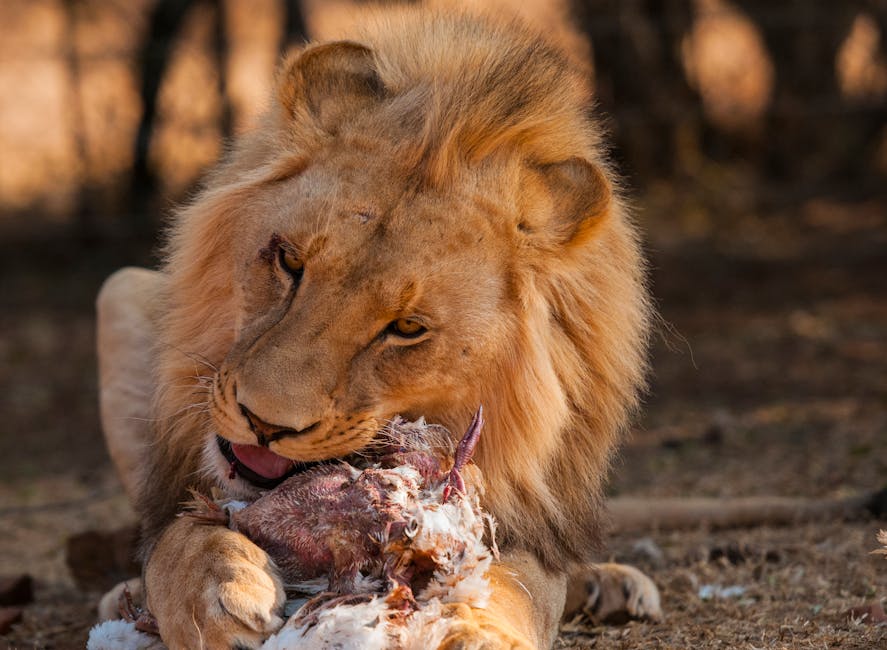
In the intricate food web of the wild, predators often target prey based on availability, energy expenditure, and survival instincts. Among the many fascinating interactions, the dynamic between lions and rabbits illustrates unique ecological behaviors. This article delves into the phenomenon of a lion preying on rabbits, exploring the conditions, strategies, and implications of such predation in 2026.
The Natural Hunting Habits of Lions
Lions (Panthera leo), known as apex predators primarily inhabiting African savannas and some parts of Asia, are traditionally associated with hunting medium to large-sized herbivores such as zebras, wildebeests, and buffaloes. Their social structure, primarily organized around prides, allows group hunting to efficiently take down sizable prey. However, lions can and do hunt smaller animals when circumstances require it.
The decision to pursue smaller prey, including rabbits, typically arises in conditions where larger prey are scarce or extremely elusive. The flexibility in their diet is a testament to the lion’s adaptability and survival instincts in a constantly changing ecosystem.
Why Would Lions Prey on Rabbits?
At first glance, it might seem inefficient for a lion, a large carnivore, to expend energy hunting small rabbits. However, several ecological and environmental factors influence this behavior:
- Scarcity of Larger Prey: During droughts, over-hunting, or habitat degradation, the populations of larger herbivores may decrease drastically. Lions, faced with starvation, may turn to smaller, more abundant prey such as rabbits.
- Opportunistic Feeding: Lions are opportunistic predators. If a rabbit crosses their path and can be captured with minimal effort, the caloric gain, although small, contributes to their sustenance.
- Nutritional Needs: In certain life stages — such as when rearing cubs — lions may diversify their prey choices to provide a balanced diet or to maintain consistent food availability.
Rabbits as Prey: A Natural Component of the Ecosystem
Rabbits, with their prolific breeding rates and adaptability, constitute a significant portion of prey biomass in many habitats. While often preyed upon by smaller carnivores like foxes and birds of prey, rabbits occasionally fall victim to larger predators like lions. The rabbit’s role in this dynamic is essential, influencing predator behavior and population control.
Rabbits also serve as an indicator species for environmental health. When rabbit populations are high, predators may opt to include them more frequently in their diets, sometimes resulting in increased sightings of lions hunting small prey.
Hunting Strategies of Lions Targeting Rabbits
The core hunting techniques of lions remain effective whether targeting large ungulates or small lagomorphs (rabbits). When focusing on rabbits, lions modify their strategy:
- Stealth and Patience: Lions use their camouflage and silently stalk rabbits to get as close as possible before the final chase.
- Ambush Tactics: A lion might lie in wait near rabbit burrows or along their common pathways to surprise prey.
- Speed and Agility: Although lions are powerful, they need quick bursts of speed to catch the swift and alert rabbits.
Impact on Lion and Rabbit Populations
Periodic predation of rabbits by lions can have varying effects on both populations:
- Lion Conservation: Diversification of prey can help lions sustain themselves in fragmented habitats where traditional prey species decline.
- Rabbit Population Control: Natural predation helps maintain rabbit populations within ecological balances, preventing overgrazing and habitat destruction.
- Ecosystem Stability: The interaction supports food web dynamics, ensuring energy flow and biodiversity.
Recent Observations in 2026
Wildlife researchers in 2026 have documented increasingly frequent instances of lions observed consuming smaller prey, including rabbits. This trend correlates with ongoing environmental changes such as climate variation, habitat fragmentation, and human-wildlife conflict disrupting traditional food sources.
Modern tracking technologies, including GPS collars and remote camera traps, provide detailed insights into lion movement patterns and hunting behavior. These data confirm that lions demonstrate remarkable dietary flexibility by preying on rabbits when advantageous.
Conclusion
The behavior of lions preying on rabbits highlights the complexity and adaptability of predator-prey relationships in the wild. While not the primary prey, rabbits represent an important alternative food source enabling lions to survive challenging conditions. Understanding this interaction enriches our knowledge of wildlife ecology and emphasizes the importance of preserving diverse habitats to maintain balanced ecosystems.
As we move through 2026 and beyond, continuous observation of such behaviors will guide conservation strategies, ensuring the coexistence and health of both predator and prey species in their natural environments.