
Understanding the Dynamics of Lion Predation on Rabbits: Why Singa Memangsa Kelinci in the Wild
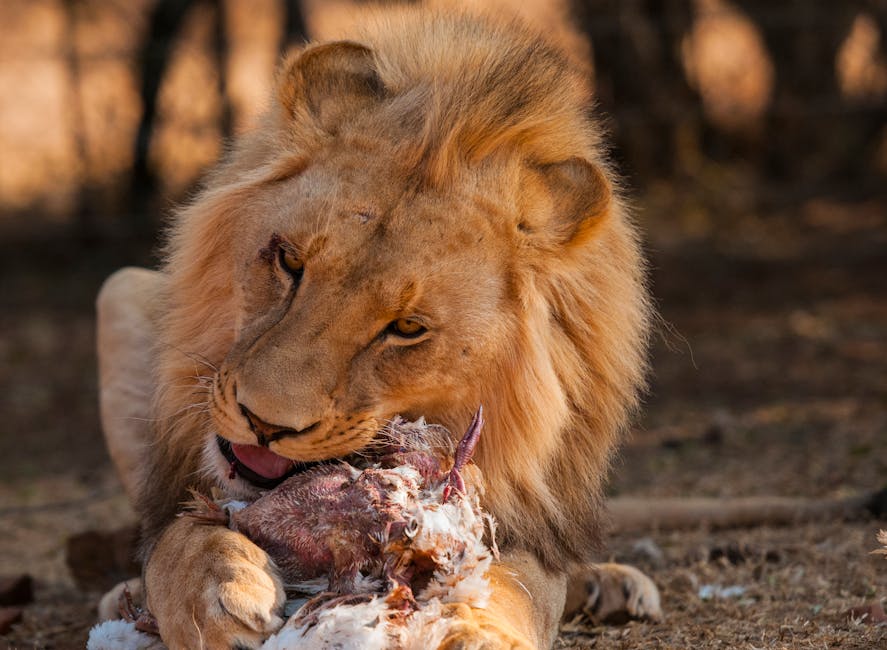
In the complex web of wildlife interactions, the phenomenon of singa memangsa kelinci—lions preying on rabbits—presents an interesting ecological case. This article explores why lions engage in hunting rabbits, the ecological implications, and how this behavior fits into the broader carnivore-prey dynamics observed in nature as of 2026.
Introduction to Lion Predatory Behavior
Lions, known as apex predators in their habitats, have a diverse diet predominantly consisting of large herbivores such as zebras, wildebeests, and buffalos. However, predation on smaller animals, including rabbits, is a documented behavior that demonstrates lions’ adaptability and opportunistic hunting strategies.
Why Do Lions Hunt Rabbits? The Ecological and Behavioral Factors
The event of singa memangsa kelinci may initially appear uncommon due to the size difference between lions and rabbits, but several key factors explain this behavior:
- Opportunistic Feeding: Lions are primarily opportunistic feeders. When preferred prey is scarce, lions may target smaller animals such as rabbits to fulfill their immediate nutritional needs.
- Young or Smaller Lions: Juvenile or less dominant lions who struggle to hunt large prey may turn to smaller animals, including rabbits, to gain hunting experience and avoid competition.
- Environmental Changes: Habitat changes and human encroachment sometimes reduce the availability of larger prey, leading to increased instances of lions preying on smaller mammals.
Biology of the Prey: Rabbit Behavior and Vulnerability
Rabbits are swift and vigilant prey animals equipped with keen senses to evade predators. However, their survival depends heavily on the environment and their ability to camouflage or swiftly escape. In open habitats where lions reside, rabbits may become vulnerable due to limited hiding places and the element of surprise hunting techniques used by lions.
The Hunting Technique of Lions Targeting Smaller Prey
Typically, lions stalk their prey patiently and use a burst of speed in the final attack phase. While this technique suits medium to large prey, it’s adapted when lions hunt rabbits:
- Ambush Predation: Lions may utilize ambush tactics, lying in wait near rabbit burrows or feeding grounds.
- Stealth and Patience: Lions prioritize low noise and stealth movements to surprise the quick and alert rabbits.
- Solo Hunting: Unlike group hunts for large prey, lions may hunt rabbits individually to reduce noise and increase stealth.
The Role of Singa Memangsa Kelinci in Ecosystem Balance
Predation of rabbits by lions plays a critical role in ecosystem regulation by maintaining prey population balance. It helps prevent overpopulation of rabbits which can lead to vegetation depletion and broader environmental degradation. Additionally, it sustains the energy flow through the food web, supporting not only lions but also scavengers who benefit from leftover kills.
Case Studies and Observations from 2026
Recent field studies and wildlife observations highlight increasing reports of lions preying on small mammals including rabbits in regions where large prey depletion occurs. For instance:
- A 2026 field survey in East Africa noted juvenile lions frequently targeting rabbits as supplementary prey during drought and famine seasons.
- Camera trap footage documented lions exhibiting increased stalking and patiently waiting near known rabbit colonies.
- Ecologists are studying the long-term effects of this behavioral shift on lion pack dynamics and rabbit populations.
Conservation Implications
Understanding the predation of rabbits by lions is essential in conservation efforts as it indicates shifts in ecosystem health and prey availability. It calls for habitat preservation strategies that ensure sufficient populations of preferred lion prey to discourage increased predation on smaller mammals. Additionally, it highlights the importance of monitoring adaptive behaviors of apex predators in changing environmental contexts.
Conclusion
The dynamics of singa memangsa kelinci shed light on lions’ versatile hunting behavior and the acute balance of natural ecosystems. As environmental pressures evolve, such behavioral adaptations demonstrate the resilience and survival instincts of lions. Ongoing research and conservation measures remain essential to maintaining both predator and prey population health, ensuring ecological harmony continues into the future.
By understanding why and how lions prey upon rabbits, wildlife enthusiasts, scientists, and conservationists can better comprehend the intricate connections within nature and contribute to sustainable environmental management in 2026 and beyond.