
Understanding the Dynamics of a Lion Preying on a Rabbit: An Unusual Predator-Prey Interaction in the Wild
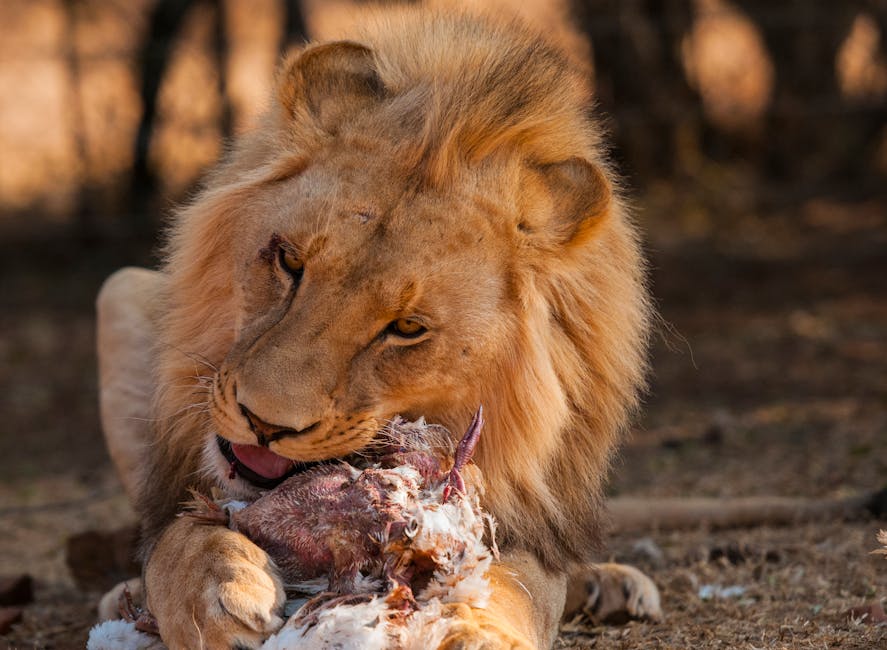
In the vast ecosystem of the animal kingdom, predator-prey relationships generally follow common patterns based on the size, speed, and habitat of creatures involved. Typically, lions (Panthera leo), as apex predators, primarily hunt large to medium-sized herbivores like zebras, wildebeests, and buffalo. However, instances of singa memangsa kelinci (lions preying on rabbits) have piqued the curiosity of ecologists and wildlife enthusiasts alike. This phenomenon, while rare, can reveal fascinating insights into animal behavior, survival tactics, and environmental adaptability.
The Typical Prey Profile of Lions
Lions are the quintessential apex predators of the African savanna. Their hunting strategy typically involves cooperative stalking and ambushing, mostly targeting medium to large ungulates such as antelopes, gazelles, and sometimes young elephants or rhinos in vulnerable conditions. These animals provide substantial caloric intake necessary for sustaining a pride’s energy requirements.
Unlike most big cats that typically hunt alone, lions often hunt in groups, which affords them efficiency in tackling larger prey. This collective hunting behavior explains why lions rarely need to expend energy chasing very small or fast animals such as rabbits, which individually may provide insufficient nutritional benefits relative to the energy used during the hunt.
Why Would a Lion Prey on a Rabbit?
Despite the usual prey preferences, singa memangsa kelinci cases might arise under certain conditions:
- Scarcity of Preferred Prey: In times of drought, disease, or environmental disruption (e.g., fires, human encroachment), traditional prey might be scarce, forcing lions to adapt to alternate food sources.
- Opportunity Hunting: Lions, especially young or solitary individuals, might opportunistically capture smaller animals like rabbits if they encounter them and the risk of energy loss is low.
- Habitat Overlaps: In certain regions where lions’ ranges overlap with sizable rabbit populations, particularly in more forested or mixed habitats, these unusual predation events might occasionally occur.
- Juvenile Learning Behavior: Young lions honing hunting skills might practice on smaller, less challenging prey like rabbits before progressing to larger, more dangerous targets.
Ecological Implications of Lions Hunting Rabbits
Though uncommon, the interaction between lions and rabbits highlights adaptability in predator feeding behaviors. This flexibility is vital for survival during environmental stress and changing ecosystems caused by climate change and human activities.
Moreover, it challenges the conventional view of strict predator-prey size brackets in ecological food webs. Such interactions can influence local biodiversity and trophic dynamics:
- Rabbit Population Control: Predation pressure, even by unlikely predators, helps regulate rabbit numbers, preventing overgrazing and crop damage.
- Maintaining Lion Energy Balance: Opportunistically catching smaller prey can supplement a lion’s diet when larger prey are unavailable.
Documented Observations and Case Studies
Documented cases of lions preying on rabbits are exceedingly rare in scientific literature but do appear in anecdotal reports, wildlife documentaries, and indigenous ecological observations. Some reports note lions ambushing rabbits near watering holes or in the twilight hours when these smaller mammals are active.
One such case documented in 2023 from a protected reserve in East Africa showed a lone male lion catching and killing several rabbits during a period of severe drought, resulting in minimized prey availability.
Behavioral Adaptations in Hunting Smaller Prey
Hunting smaller, faster prey such as rabbits requires different tactics compared to larger animals. Lions generally rely on strength and teamwork for big game but must use stealth, patience, and sudden bursts of speed for rabbits. This may involve:
- Careful stalking with minimal noise and movement.
- Use of cover such as bushes or tall grasses to approach undetected.
- Quick pouncing techniques to prevent escape.
These skills, while inherent to lions, are predominantly utilized for larger animals but may be adapted in scarce prey conditions.
Implications for Conservation and Wildlife Management
Understanding the full range of dietary habits of lions is crucial for conservation strategies. Changes in their prey base through habitat loss or climate shifts might force predators into alternative food sources, potentially increasing human-wildlife conflict if small livestock or pets become targets.
Wildlife managers can use insights from singa memangsa kelinci incidents to:
- Monitor prey populations and lion health more closely.
- Predict and prevent conflict by securing small animal husbandry practices near lion habitats.
- Maintain ecological balance by preserving natural prey species and their habitats.
Conclusion
While uncommon, the occurrence of lions preying on rabbits serves as a compelling reminder of the adaptability within predator-prey relationships. It underscores the importance of contextual ecological factors, such as prey availability and environmental pressures, influencing animal behavior. Continued observation and research into these atypical predation events enrich our understanding of ecosystem dynamics and aid in the effective conservation of both predators and prey.
In 2026, as environmental conditions continue to shift globally, recognizing such unusual feeding behaviors becomes more critical in fostering coexistence and sustaining biodiversity across ecosystems.