
The Dynamics of Lion Predation on Rabbits: Understanding How Lions Hunt and Consume Rabbits in the Wild
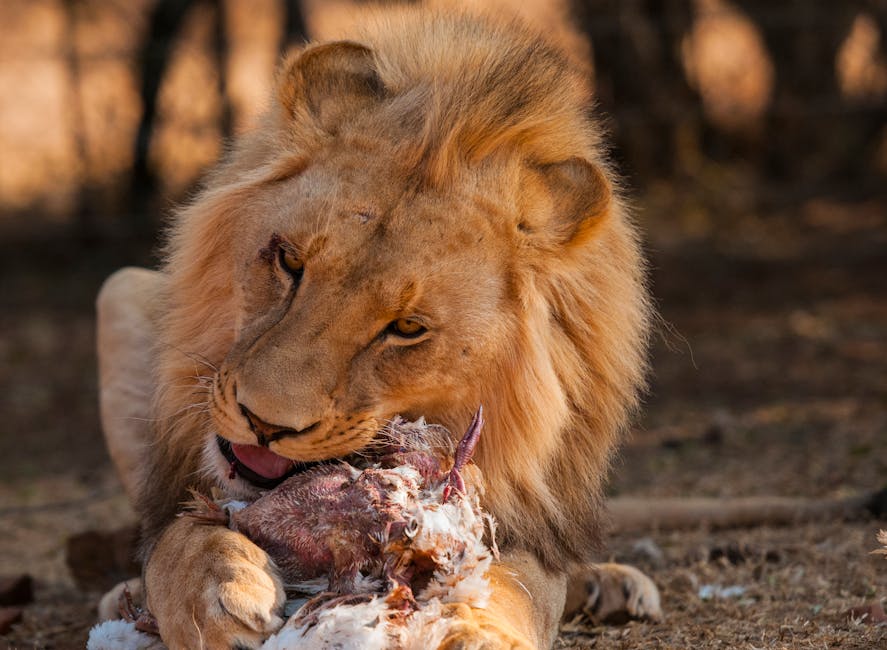
In the complex food webs of the wild, the interactions between predators and prey can often be surprising. Lions (Panthera leo), often considered apex predators, have a diverse diet usually focused on large herbivores such as zebras, wildebeests, and buffaloes. However, the phenomenon of singa memangsa kelinci (lion preying on rabbits) presents an intriguing ecological dynamic worth exploring in 2026. This article delves into the circumstances under which lions might hunt rabbits, the ecological implications, and the behavioral adaptations involved.
The Typical Diet of Lions
Lions have evolved as top-level carnivores with hunting tactics and physical traits suited for capturing large to medium-sized mammals. Their diet predominantly includes buffalo, antelope, and even young elephants. Small mammals like rabbits do not represent a major portion of their typical prey due to low caloric returns compared to the abundant effort required. However, on occasion, lions may hunt smaller animals such as rabbits based on resource availability and environmental factors.
Rabbits as Prey: An Overview
Rabbits (family Leporidae), known for their agility and swift reflexes, generally evade many predators through speed and burrowing. They are common in various ecosystems, providing a vital food source for numerous smaller predators. Predation on rabbits is typically dominated by animals like foxes, birds of prey, and snakes. When lions include rabbits in their diet, this behavior may signal unique ecological or environmental pressures.
Under What Conditions Do Lions Prey on Rabbits?
Several scenarios can lead to lions preying on rabbits:
- Scarcity of Large Prey: During droughts, habitat fragmentation, or overhunting by humans, larger prey species may become scarce, forcing lions to expand their diets.
- Opportunistic Feeding: Lions are opportunistic hunters. If a rabbit crosses their path with minimal effort to capture, they might seize the chance for an easy meal.
- Younger or Less Experienced Lions: Juvenile lions learning to hunt may target smaller, easier animals like rabbits to develop skills before attacking larger, more dangerous prey.
- Human Influenced Environments: In wildlife reserves or parks where typical prey dynamics are altered, lions may adapt by hunting less conventional prey species, including rabbits.
Hunting Techniques Lions Use to Capture Rabbits
Unlike their typical large-prey hunting strategy, which often involves cooperative group hunting or stalking, hunting a small, fast animal like a rabbit requires specific adaptations:
- Stealth and Patience: Lions must carefully stalk rabbits from cover to avoid alerting them, as rabbits have keen senses.
- Short-Distance Sprints: After a successful stalk, a lion uses a rapid burst of speed to close the gap quickly, minimizing the chance for the rabbit to escape.
- Surprise Attacks: Some lions may lie in wait near rabbit burrows or feeding spots, ambushing their prey when it least expects.
Energetic Costs and Benefits of Hunting Rabbits
From an energy standpoint, hunting requires a balance between calories expended and calories gained. Rabbits, being small, offer fewer calories, while larger prey items provide more substantial nourishment. Therefore, frequently hunting rabbits is not energy-efficient for lions, but in times of food scarcity or when alternative prey is unavailable, it becomes a viable survival strategy.
Ecological Implications of Lion Predation on Rabbits
The inclusion of rabbits in the lion diet, while uncommon, can influence both species’ population dynamics. Increased predation pressure on rabbit populations may affect vegetation patterns because rabbits also influence plant community structures through their grazing. Conversely, lions may benefit by sustaining their survival during extreme conditions. These interactions showcase the interconnectedness of ecosystems and underscore the adaptability of top predators.
Real-World Observations and Scientific Studies
Recent research and field observations in certain African reserves have documented instances of lions preying on small mammals like rabbits and hares. These occurrences are sporadic and typically linked to environmental stressors such as drought. Such observations are essential for wildlife managers aiming to understand food web shifts in response to climate change and human encroachment.
Conclusion
While it is less common for lions to prey on rabbits, the behavior of singa memangsa kelinci highlights the flexibility and resilience of lions as apex predators. Understanding these dynamics enriches our appreciation of predator-prey relationships and informs better conservation strategies tailored to evolving ecosystems in 2026 and beyond.